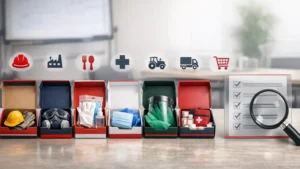

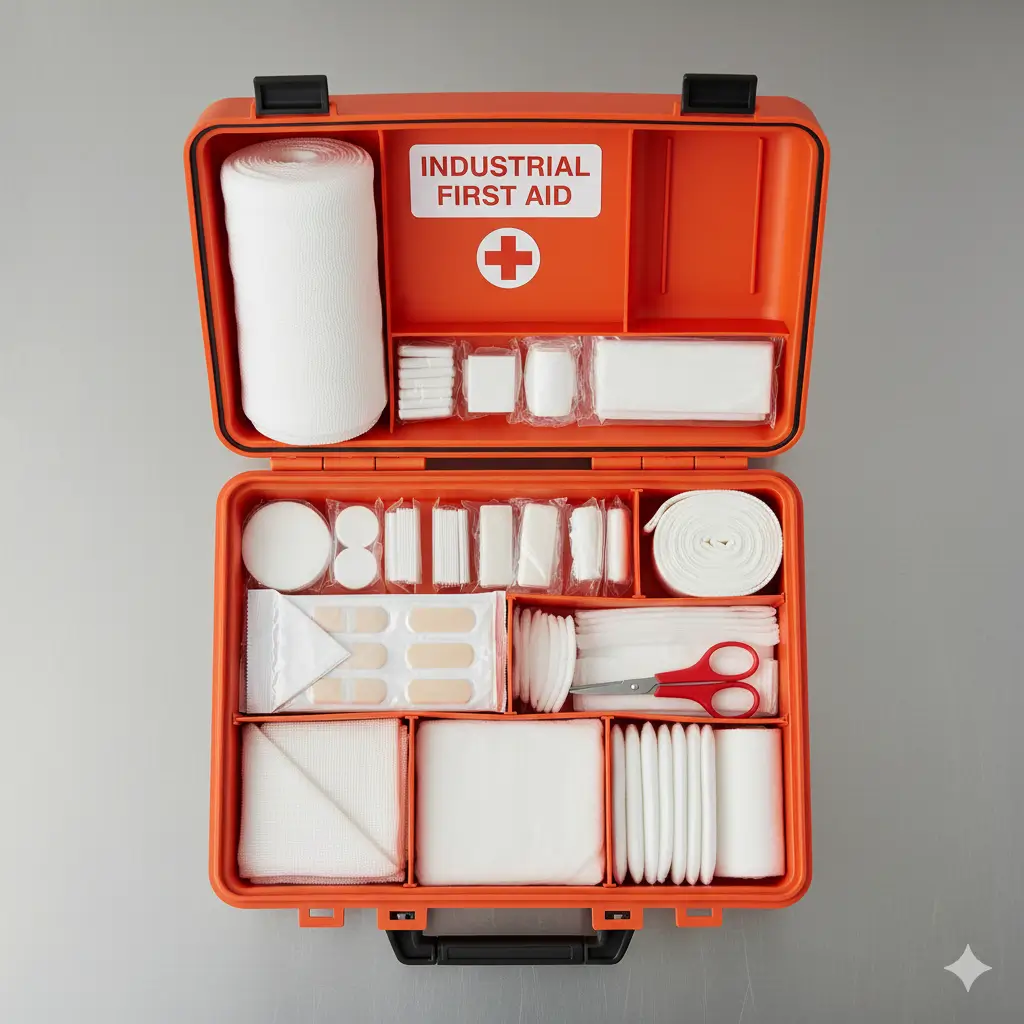




Wound care supplies are one of the most essential first aid items that manufacturers routinely stock to ensure workplace safety and compliance.
For industries in Malaysia where production floors, warehouses, and construction sites present daily risks, having the right bandages coverings available is not just a precaution—it is a business necessity.
Key Takeaways (Q&A)
Q1: What wound-care items do manufacturers routinely stock for first aid and safety?
A: Manufacturers typically stock 12 essential first-aid wraps and dressings, including adhesive strips, gauze, crepe and compression wraps, triangular slings, tubular and cohesive wraps, hydrocolloid and medicated dressings, liquid skin sealants, waterproof coverings, shaped fingertip/knuckle covers, and casting materials.
Q2: Why is it important to stock multiple types instead of a single solution?
A: Each type of dressing serves a specific purpose—some protect minor cuts, others control bleeding, support sprains, immobilize fractures, or shield wounds from moisture—making variety essential for effective injury management.
Q3: How do these supplies support workplace safety compliance?
A: Maintaining the right mix of first aid helps organizations respond quickly to injuries, lower infection risks, reduce downtime, and meet occupational health and safety requirements.
Manufacturers understand that injuries such as cuts, abrasions, burns, and sprains can happen unexpectedly, and the speed of response often determines recovery outcomes.
Stocking an effective mix of wound care items—from simple adhesive strips to specialized compression and hydrocolloid types—ensures workers receive immediate care while minimizing downtime.
This practice also aligns with Malaysian workplace safety regulations, where employers are expected to provide adequate first aid supplies as part of their duty of care.
Upskill Staf Anda: Bina Website Mesra SEO
Bengkel praktikal 2 hari untuk bina laman web syarikat yang kemas, pantas, dan mudah diurus.
Domain + Hosting + Elementor Pro PERCUMA 1 tahun

Beyond compliance, well-stocked first aid kits carry real economic value. A minor injury treated quickly with the wound dressing can prevent more severe complications, reducing the likelihood of medical claims or prolonged absences.
For business leaders, this translates into better productivity, improved employee morale, and stronger trust between management and workforce.
The global first aid market is also evolving with innovative wound care solutions that offer antibacterial properties, waterproof resilience, and faster healing capabilities.
Malaysian manufacturers, start-ups, and even digital entrepreneurs exploring occupational health solutions can learn from these trends to strengthen both safety practices and brand credibility.
By proactively investing in industrial first aid kit supplies, companies position themselves as responsible employers that value worker welfare while optimizing operational efficiency.
In this article, we will explore 12 types of bandages most commonly purchased by manufacturers. Each type serves a unique function, from controlling bleeding to immobilizing injuries, and understanding their uses can help businesses make smarter procurement decisions.
What Are the Most Common Bandages Manufacturers Stock for First Aid?
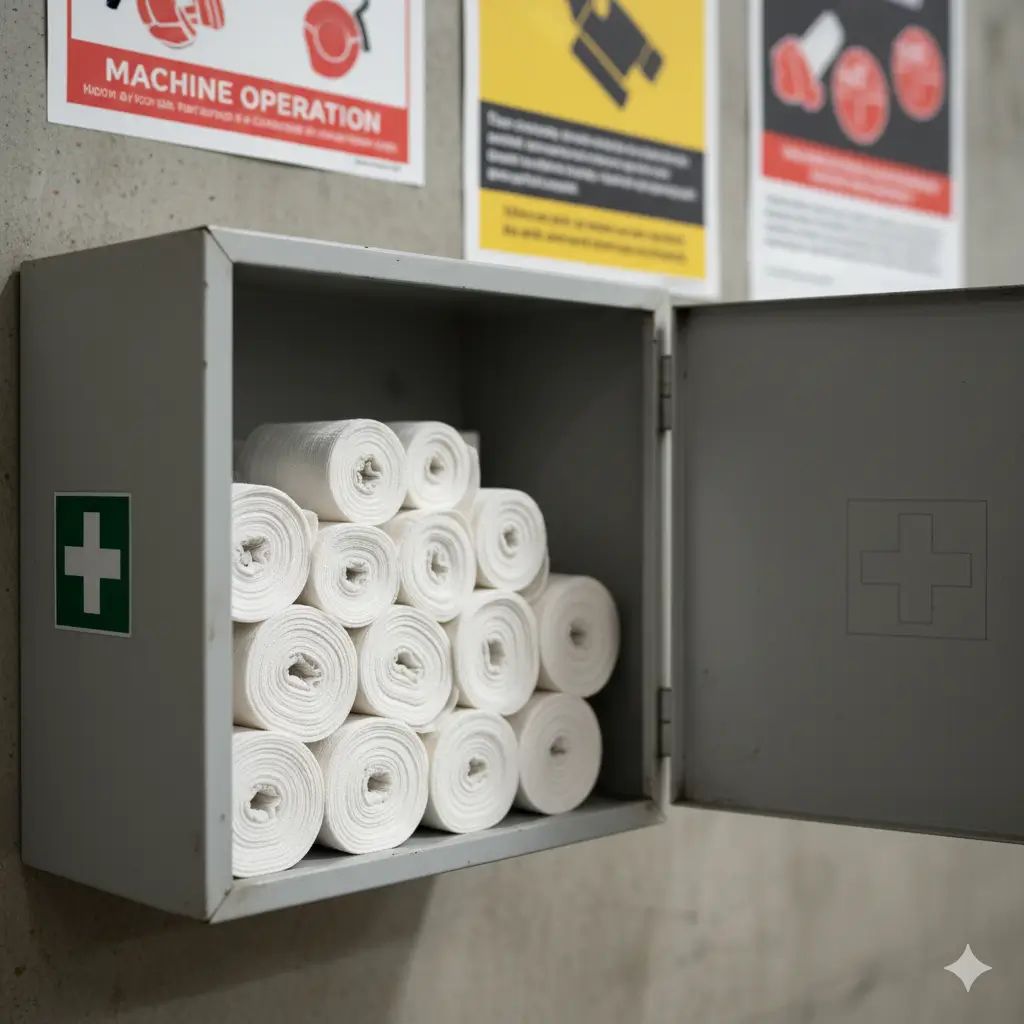
Wound care items are critical in industrial settings because they protect wounds, reduce infection risks, and enable faster recovery. Manufacturers routinely stock standard first-aid dressings and wraps to cover a wide range of workplace injuries, from minor cuts to heavy bleeding.
Why Do Crepe (Gauze) Bandages Remain Industry Standard?
Crepe wraps, also known as gauze wraps, are highly versatile, breathable, and suitable for wrapping wounds, supporting sprains, or securing dressings. Their stretchable design makes them a staple in first-aid supply kits for factories and construction sites.
How Do Compression Bandages Support Industrial Injury Care?
Compression bandages apply controlled pressure to minimize swelling and control bleeding. They are essential in manufacturing environments where workers face risks of joint injuries or accidents that cause significant blood loss.
What Makes Adhesive (Strip) Bandages Popular in Workplace Kits?
Adhesive strips are the most recognizable type of bandage and are used for small cuts and abrasions. Their convenience, quick application, and hygienic packaging make them indispensable in every industrial first aid kit.
Which Specialized Bandages Are Designed for Different Work Environments?
Specialized bandages meet the needs of workers exposed to higher risks, offering targeted protection and comfort. Manufacturers select these advanced coverings to ensure compliance and minimize workplace disruption after injuries.
How Do Hydrocolloid & Medicated Bandages Aid Faster Recovery?
Hydrocolloid bandages speed up healing by maintaining a moist environment, while medicated versions contain antiseptics or antibiotics to reduce infection risks. These are increasingly used in industrial kits where wound management is critical.
Why Are Tubular (Elastic) Bandages Ideal for Joint Protection?
Tubular bandages provide uniform support around joints such as knees, wrists, and elbows. They are particularly valued in manufacturing, where repetitive strain injuries and joint sprains are common among workers.
What Role Do Triangular / Sling Bandages Play in Factories?
Triangular bandages are multipurpose and can be used as slings, head wraps, or temporary tourniquets. Their adaptability makes them essential for large workplaces where injury scenarios vary widely.
Can cohesive (self-adhering) wraps reduce waste and cost?
Yes — cohesive (self-adhering) wraps stick only to themselves, not to skin or hair, which reduces discomfort for workers and cuts down on material waste. That makes them a cost-effective and more eco-friendly option for workplace first-aid kits.
How Do Innovative Bandage Types Enhance Safety in Manufacturing?
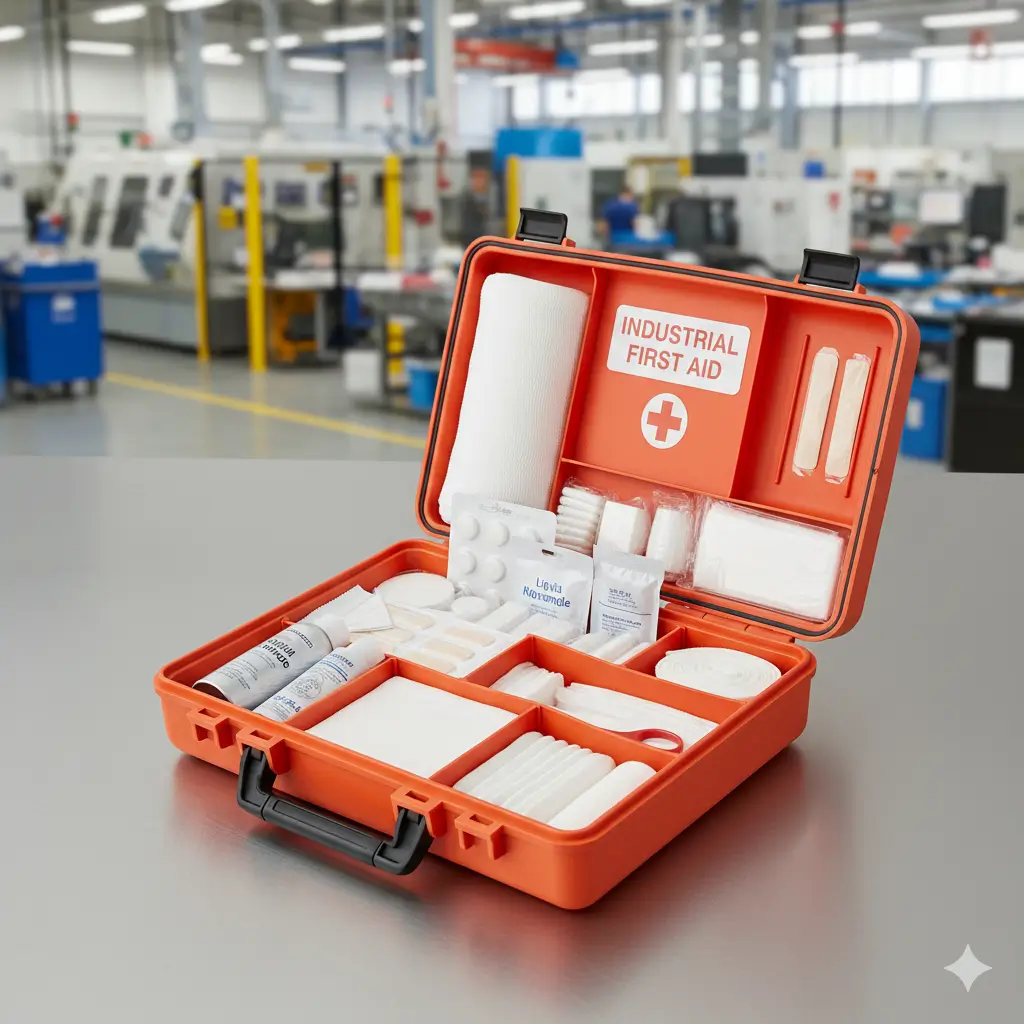
Advancements in medical supplies have introduced innovative bandages designed for specific environments, helping manufacturers reduce downtime and provide modern safety solutions.
What Benefits Do Liquid / Polymer Sealants Offer in High-Moisture Settings?
Liquid skin sealants form a waterproof protective layer that seals minor wounds instantly, making them ideal for workers in food processing, marine, and chemical industries where moisture is unavoidable.
Which shaped first-aid wraps (knuckle, fingertip) are most practical for workers?
A: Shaped wraps or dressings fit awkward areas such as knuckles and fingertips. For manufacturers, stocking these ensures employees can continue tasks comfortably and reduces the need for frequent replacements.
Why Are Transparent & Waterproof Bandages a Smart Investment?
Transparent and waterproof bandages allow workers to monitor wound healing without removal, while also withstanding sweat and moisture. These reduce replacement frequency and improve productivity.
What Bandage Categories Do Buyers Evaluate Before Bulk Procurement?
Purchasing managers consider multiple factors before stocking bandages, from material durability to regulatory compliance. The right mix ensures both cost efficiency and workplace safety.
How Do Fabric, Foam, and Plastic Bandages Differ in Durability?
Fabric bandages are flexible and breathable, foam offers cushioning, while plastic provides water resistance. Manufacturers select based on the nature of their work environment and injury risks.
Which Impregnated or Medicated Bandages Improve Workplace Safety?
Impregnated bandages contain antiseptics or healing agents, providing added protection. These are critical in manufacturing where minor wounds can escalate if untreated.
What Specialty Casting & Immobilisation Bandages Are Required for Heavy Injuries?
Plaster or fiberglass casting bandages are necessary in environments prone to fractures. Manufacturers ensure these are available in industrial first aid kit supplies for serious accidents.
How Can Manufacturers Choose the Right Mix of Bandages?
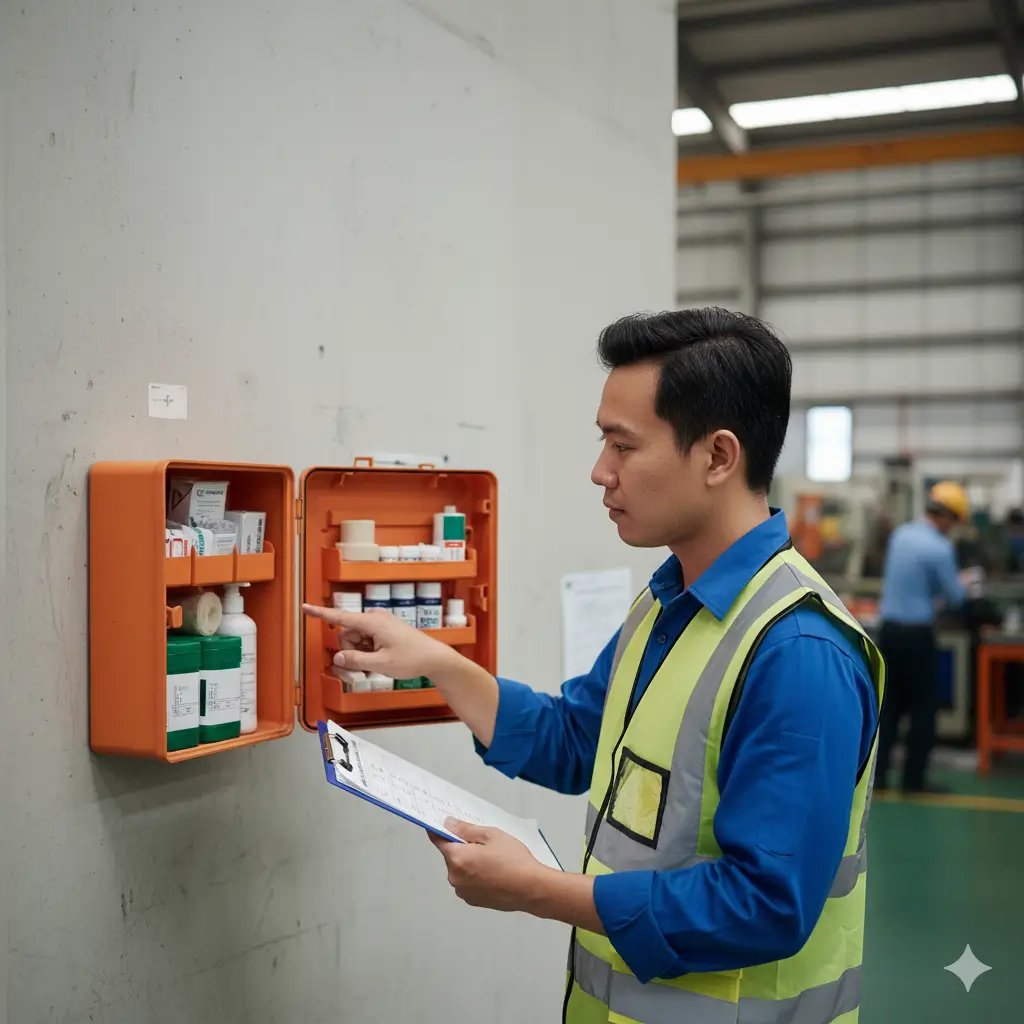
Effective selection ensures compliance, worker safety, and financial efficiency. Decision-makers balance practical needs with industry standards when stocking first-aid dressings and wound care supplies.
What Criteria Should Influence Bulk Bandage Purchases?
Key factors include wound type coverage, ease of use, storage life, cost per unit, and employee comfort. Manufacturers who review these criteria avoid shortages or wastage.
How Do Safety Regulations Shape Bandage Procurement Decisions?
Malaysian occupational safety laws require employers to provide certified first aid kits. Stocking a complete range of bandages ensures compliance and avoids penalties during inspections.
Where Can Manufacturers Source Certified Industrial Wound Care Supplies?
Certified suppliers, such as wound care distributors and specialized first-aid providers, offer quality-tested products that meet both local and international standard
Wound care supplies are more than simple medical supplies; they are essential safety investments that every manufacturer must prioritize. Stocking the right mix of 12 bandage types ensures workplace readiness, regulatory compliance, and rapid response to injuries.
For Malaysian businesses, these decisions not only safeguard workers but also reinforce trust and long-term operational stability.
Is your facility equipped with the right bandages and industrial first aid essentials? Now is the time to review your workplace kits and upgrade with certified supplies.
By choosing reliable industrial first aid kit supplies, Malaysian manufacturers can protect employees, comply with safety laws, and strengthen business resilience. Take action today—because a safe workforce is the foundation of a successful enterprise.
FAQ
Q1: What is used to protect injuries during first aid?
A: First-aid wraps and dressings are used to protect wounds, control bleeding, provide support to injured areas, or secure coverings during initial treatment.
Q2: What are the most common wound care items used in workplaces?
A: The most commonly used wound care items in workplaces include adhesive strips, gauze rolls, compression wraps, triangular slings, and tubular elastic supports, as they are versatile and effective for managing a wide range of common injuries.
Q3: How do I choose the correct type of bandages for an injury?
A: The right choice depends on the injury — small cuts are best covered with adhesive strips, bleeding wounds need gauze, sprains benefit from compression wraps, and arm or shoulder injuries often require triangular slings.
Q4: What bandages types are most commonly used in workplaces?
A: The most common bandages type used in workplaces include adhesive strips, gauze rolls, compression wraps, triangular slings, and tubular elastic wraps, as they are versatile and suitable for treating a wide range of common injuries.
Q5: How often should first aid bandages be checked or replaced?
A: All wound care item supplies should be inspected regularly and replaced when used, damaged, or expired to ensure ongoing readiness and compliance.